
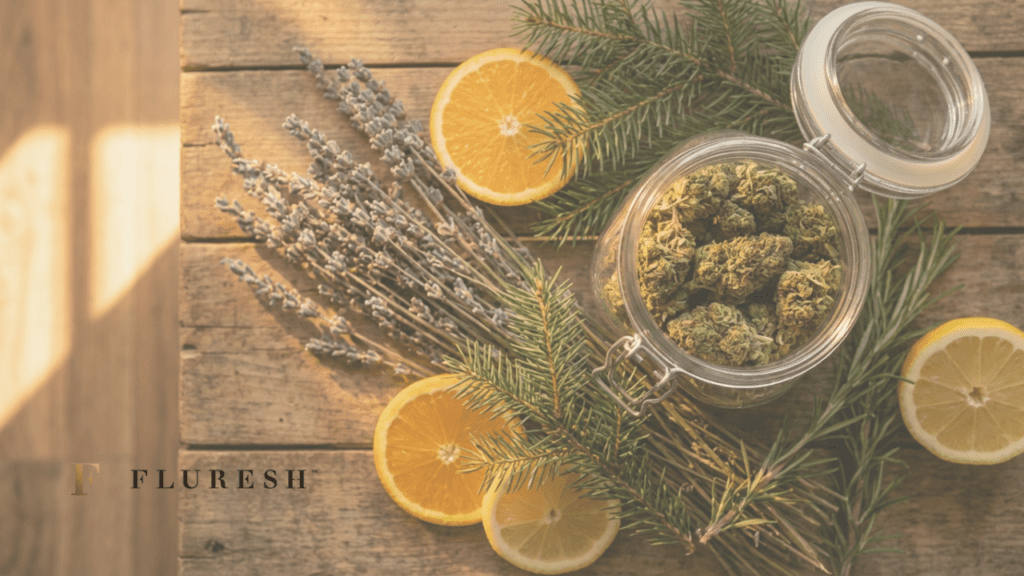
If you’ve ever reached for one strain and felt relaxed, then tried another and felt energized, that contrast probably had less to do with THC than you’d think. The real driver behind those differences is often terpenes, and understanding them can completely change how you shop for cannabis.
At Fluresh, Grand Rapids’ first recreational cannabis dispensary, we talk about terpenes constantly. Our Cannabis Advisers use terpene profiles to help you find exactly what you’re looking for, because THC percentages alone don’t tell the full story.
What Are Terpenes?
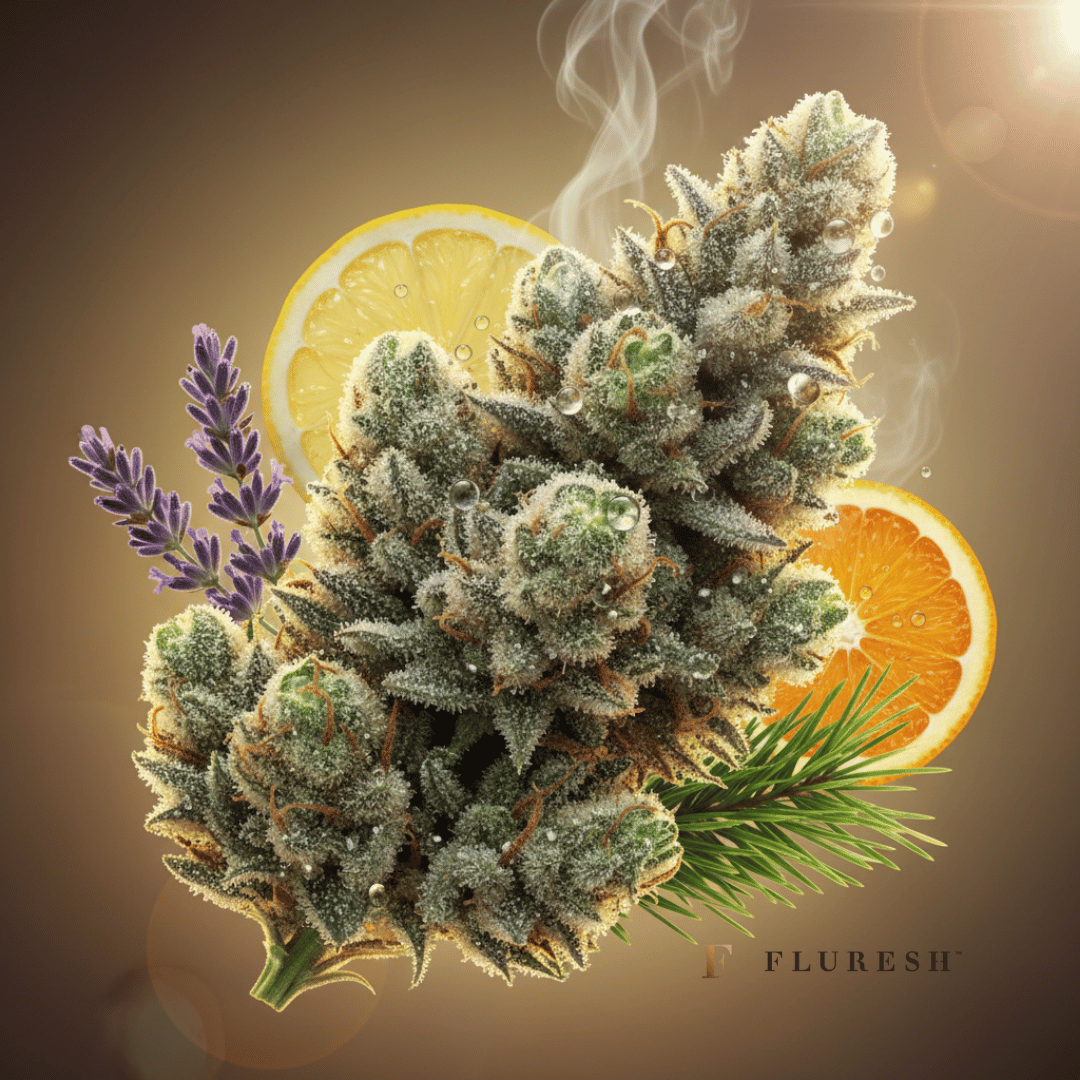
Terpenes are aromatic compounds found naturally in plants, fruits, and herbs. They’re the reason lavender smells calming, citrus smells sharp and bright, and pine forests smell like pine forests. These naturally occurring compounds serve a biological purpose in plants, attracting pollinators, repelling predators, and protecting against environmental stress.
Cannabis produces an exceptionally rich range of terpenes, often over 100 detectable types in a single strain. These compounds are concentrated in the trichomes, the tiny, crystal-like structures covering cannabis flower. When you crack open a jar and get hit with a smell that’s somehow both earthy and sweet, that’s terpenes doing their job.
The cannabis industry has spent decades focusing almost entirely on THC content as a proxy for quality. That conversation is shifting. Terpene content is now widely recognized as one of the most important indicators of how a cannabis experience will actually feel.
How Terpenes Affect Your Cannabis Experience
Here’s where it gets genuinely interesting. Terpenes don’t just determine how cannabis smells. Research suggests they actively interact with cannabinoids like THC and CBD to shape the effects you feel. This is what’s known as the entourage effect.
The Entourage Effect Explained
The entourage effect is the idea that cannabinoids and terpenes work together as a system rather than in isolation. THC on its own produces certain effects. But when terpenes are present alongside THC and other cannabinoids in the cannabis plant, they appear to modulate, enhance, or redirect those effects.
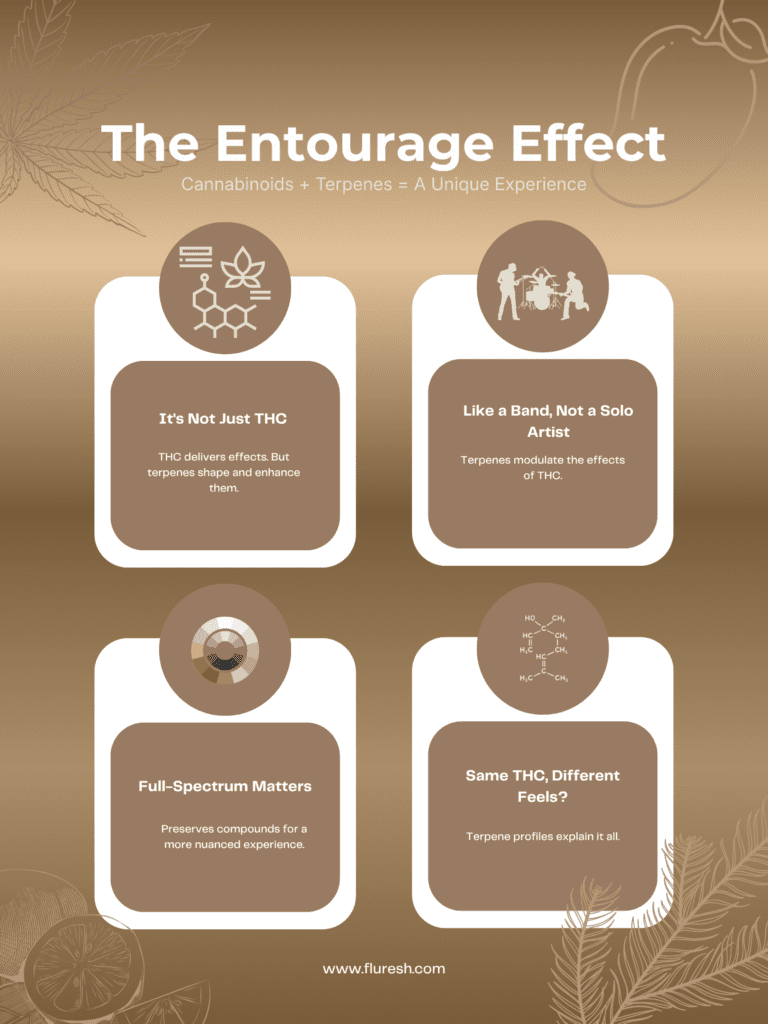
Think of it like a band versus a solo artist. THC might be the lead singer, but terpenes are the musicians behind it, shaping the song’s tone, tempo, and emotional arc. A full-spectrum cannabis extract preserves these compounds together, which is one reason many experienced consumers find it produces a more nuanced experience than isolated THC alone.
This is also why two strains with identical THC percentages can feel completely different. Terpene profiles are often the variable that explains it.
Common Cannabis Terpenes and Their Effects
There are tons of terpenes found in cannabis, but a handful show up consistently across strains and have received meaningful attention in research. Here’s what to know about the most common ones.
Myrcene

Myrcene is the most abundant terpene found in cannabis and is also present in hops, mango, and lemongrass. It has an earthy, musky aroma with subtle fruit notes. In cannabis, myrcene is often associated with heavier, more relaxed effects. Many indica-leaning strains are high in myrcene, though the indica/sativa distinction is less reliable than terpene content when predicting how a strain will feel.
Limonene

Limonene carries a bright citrus aroma and is also found in the rinds of lemons, oranges, and other citrus fruits. It’s commonly associated with uplifting, mood-elevating effects. Early terpene research has pointed to limonene’s potential anti-anxiety and antidepressant properties, though more clinical studies are ongoing. If you’re looking for a daytime session with an elevated, social feel, strains high in limonene are worth exploring.
Linalool

Linalool is the terpene most people associate with lavender. It’s also present in many cannabis strains and is widely studied for its calming, potentially sedative properties. Research into linalool suggests it may have anti-inflammatory effects and could help modulate the stress response. For consumers looking for relaxation without feeling locked in place, linalool-forward strains are a popular choice.
Pinene
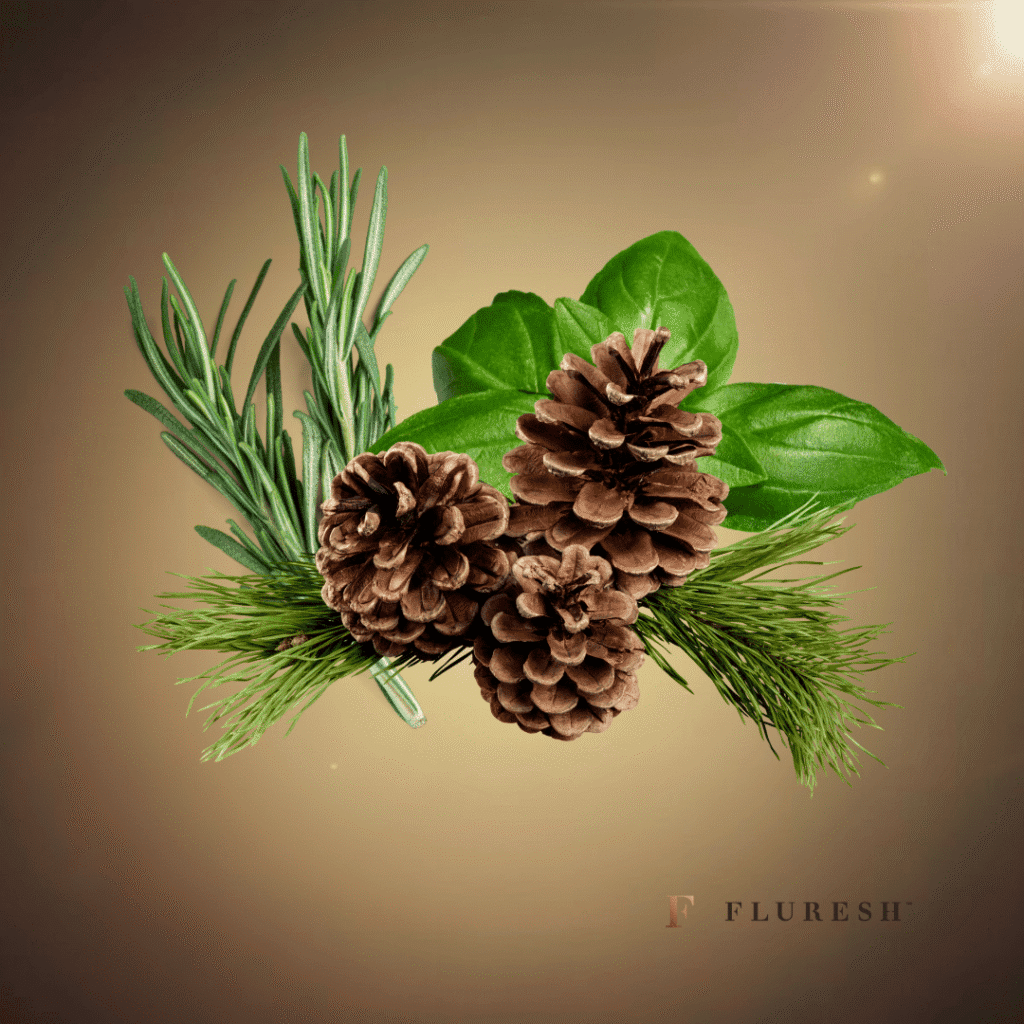
Pinene, as the name suggests, smells like pine. It’s one of the most common terpenes in nature and is found in pine trees, rosemary, basil, and cannabis. Pinene has been studied for potential anti-inflammatory and neuroprotective effects. Some early research also suggests pinene may help counteract short-term memory effects sometimes associated with THC, which makes it a compound worth noting for consumers sensitive to that effect.
Humulene
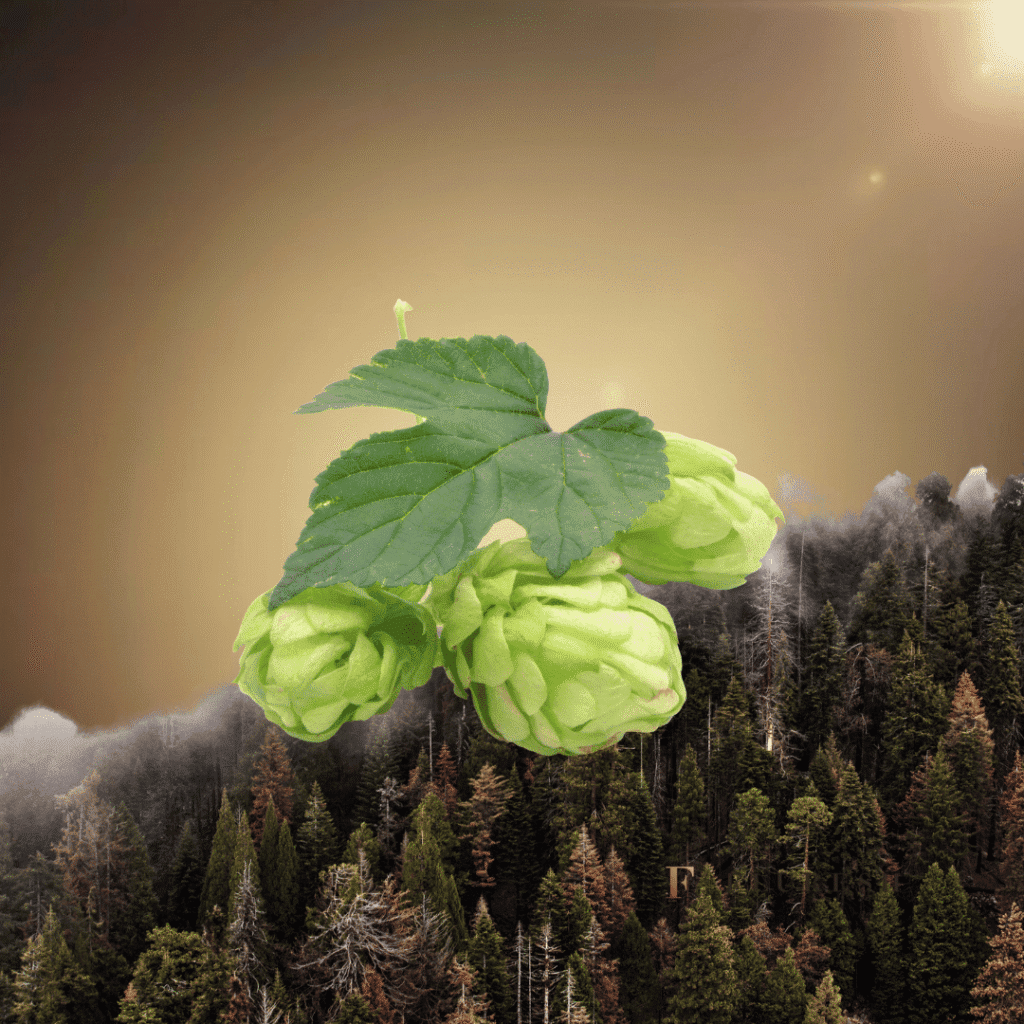
Humulene shares a deep, earthy, woody aroma with hops, which makes sense since hops and cannabis are botanical relatives. Humulene has been studied for potential anti-inflammatory properties and is considered one of the terpenes that contribute to the more grounding, body-focused effects in certain strains. It’s often found alongside caryophyllene in strains with complex, layered aromas.
Caryophyllene
Caryophyllene is unique among cannabis terpenes because it also acts as a cannabinoid, binding directly to CB2 receptors in the endocannabinoid system. It carries a spicy, peppery aroma and is found in black pepper, cloves, and cinnamon. Research into caryophyllene has explored its potential therapeutic benefits for pain and inflammation, making it one of the more studied terpenes in the cannabis industry.
Terpenes and Cannabis Chemovars
The older model of organizing cannabis into indica, sativa, and hybrid categories is increasingly seen as an oversimplification. Many researchers and cannabis professionals now prefer to think in terms of cannabis chemovars, varieties defined by their distinct chemical profiles rather than physical plant characteristics alone.
A chemovar is essentially a cannabis strain classified by its cannabinoid and terpene composition. Two strains that look similar and have similar THC percentages might produce entirely different experiences because their terpene profiles are completely different. This is why shopping by chemovar or terpene profile, rather than by indica-versus-sativa labels, leads to more consistent, predictable results.
When you talk to a Cannabis Adviser at Fluresh, this is the approach we take. Instead of asking what indica or sativa you want, we’re asking how you want to feel, what you’re doing that day, and what past experiences have worked or haven’t. Terpene profiles become a practical tool for finding the right fit.
How Terpene Profiles Factor Into Carbon by Fluresh
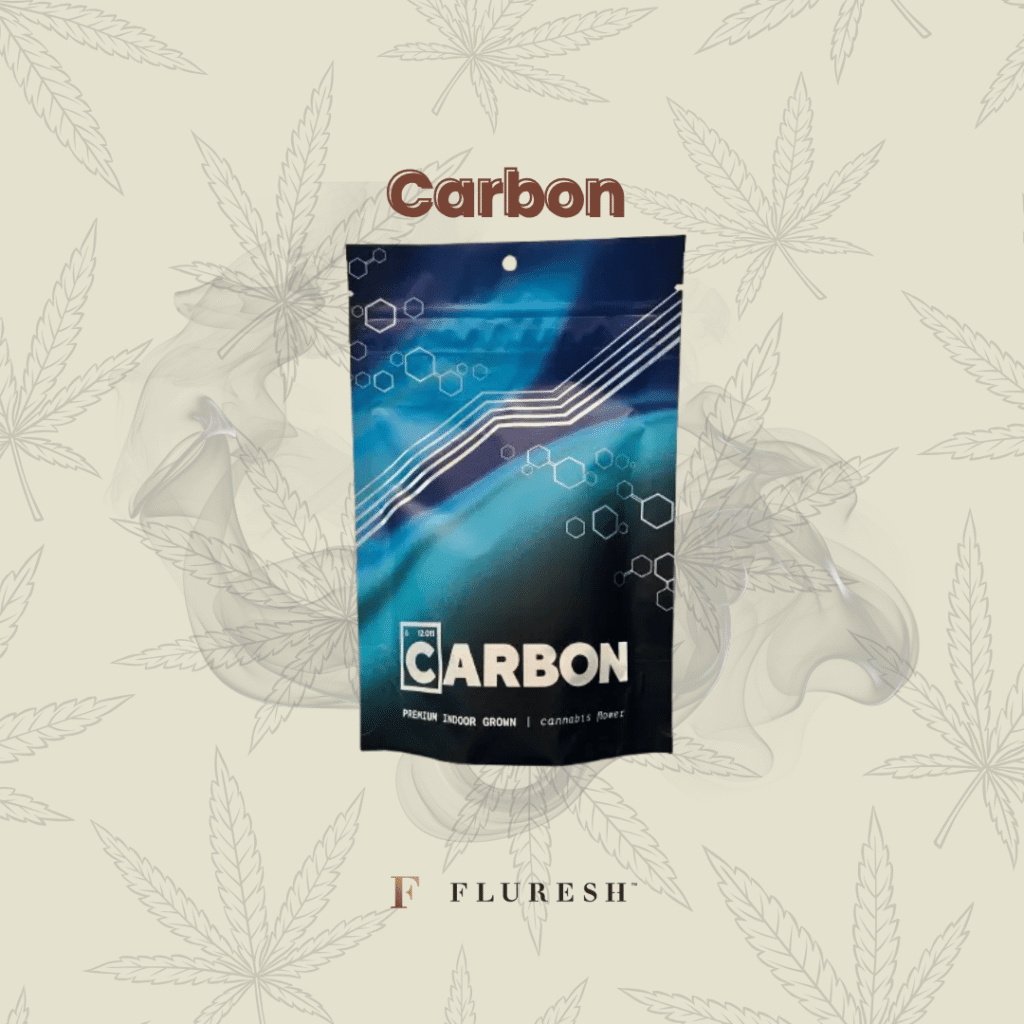
At Fluresh, our house brand Carbon by Fluresh was built with terpene content as a defining priority. While most of the cannabis industry was still leading with THC percentages, Carbon was built to lead with terpene profiles instead.
Carbon flower is hang-dried for 14 weeks and hand-trimmed to protect trichome integrity, because those trichomes are where terpenes are concentrated. The cultivation process optimizes environmental conditions specifically to support terpene development. When you open a jar of Carbon, the aroma is the point. It’s the signal that the cultivation process worked.
The terpene content is prominently displayed on Carbon packaging, so you always know what you’re getting before you order. Strains like Apple Tartz, Orange Creamsicle, and Rainbow Zlz each carry distinct terpene profiles that translate directly into different experiences. That information is there to be used.
If you’re new to terpenes, Carbon is a good place to start because the data is right there on the label.
How to Use Terpene Knowledge When You Shop
You don’t need to memorize every terpene to shop smarter. A few basics go a long way.
Pay attention to aroma. Terpenes create the smell of cannabis, so aroma is actually a meaningful data point. A sharp citrus smell suggests limonene. An earthy, musky quality often points to myrcene. Deep, spicy notes might indicate the presence of caryophyllene or humulene. Trusting your nose as a guide connects you to genuinely useful information.
Look for terpene data on labels. Not every brand provides it, but those that do give you more to work with. When you see terpene percentages listed, use them alongside THC and CBD content to get a fuller picture.
Describe how you want to feel. When you order through the Fluresh store or call us at 616-208-9934, our Cannabis Advisers can help you narrow down options based on your goals. Bring the language of how you want to feel, relaxed, focused, social, sleepy, and we’ll connect it to terpene profiles that tend to support those experiences.
Terpenes and Cannabis Edibles
One note worth making: terpenes affect the cannabis experience primarily through flower and concentrates. Cannabis edibles go through digestion, which means the aromatic terpene compounds largely break down before reaching the bloodstream. The entourage effect is more prominent with flower and full-spectrum concentrates than with most edibles.
This doesn’t make edibles less effective, but it does mean that terpene profiles are less predictive for edibles than they are for flower. If terpene-driven effects are a priority for you, flower, pre-rolls, and concentrates are the more direct route.
Frequently Asked Questions About Cannabis Terpenes
Terpenes don’t produce intoxication on their own. They work alongside cannabinoids like THC and CBD, influencing and shaping the overall effect rather than creating a high independently. The entourage effect describes how these interactions work.
Yes. Myrcene in cannabis is the same compound as myrcene in mango. Limonene in cannabis is chemically identical to limonene in lemon rind. The concentrations differ, and the presence of cannabinoids in cannabis creates interactions you won’t get from fruit alone, but the terpenes themselves are the same naturally occurring compounds.
For most people, no. Terpenes in the concentrations found in cannabis are generally well tolerated. Some people with sensitivities to certain aromatic compounds may notice irritation in very high concentrations, but this is uncommon with normal cannabis use.
Look at the product label or the product listing in the Fluresh store. Brands like Carbon by Fluresh prominently display terpene content. You can also ask a Cannabis Adviser when you place your order by calling 616-208-9934 or ordering online for curbside pickup at 1213 Phillips Ave SW.
Not necessarily. A well-balanced terpene profile matters more than raw percentage. What you’re looking for is a terpene composition that aligns with the effects you want, not just the highest number on a label.
Find the Right Terpene Profile at Fluresh

Understanding terpenes is one of the best tools you have as a cannabis consumer. It moves the conversation past THC percentages and into something more useful: how a product is actually going to make you feel. Drawn to the citrus brightness of limonene? The grounding earthiness of myrcene? The spicy complexity of caryophyllene?
There’s a strain out there built around the experience you’re looking for.
Our Cannabis Advisers are here to help you find it. When you’re ready to shop, browse our full menu online and place your order for curbside pickup at 1213 Phillips Ave SW. You can also call us at 616-208-9934, and we’ll walk you through what’s in stock and what matches what you’re after. Tuesday through Saturday, 9 AM to 9 PM.